What Should You Consider Before Using a Wireless Crane Camera Offshore?

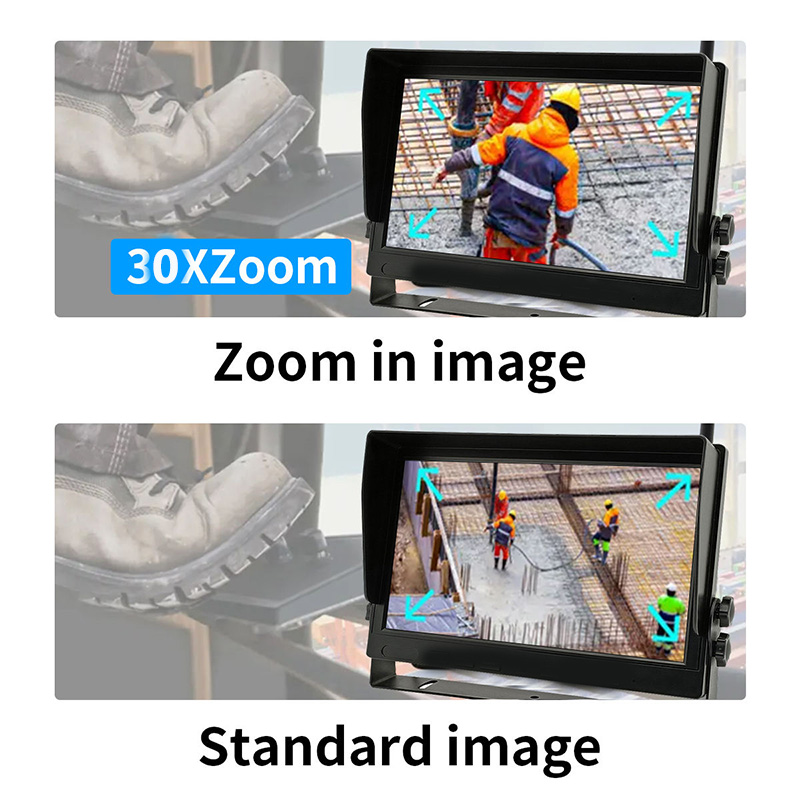
Wireless crane cameras are becoming increasingly popular in construction, lifting equipment, and industrial monitoring applications.
They provide operators with better visibility without complicated cable installation, especially when cameras need to be installed temporarily or moved between different working areas.
However, when the application moves from normal construction sites to offshore environments, additional factors must be considered.
Offshore Is Different From Normal Outdoor Use
A camera installed on a construction machine may already experience rain, dust, vibration, and temperature changes.
An offshore crane faces even more challenges:
- Salt mist from seawater
- High humidity
- Strong wind
- Continuous exposure to outdoor conditions
- Difficult access for maintenance
This means the product selection should focus on long-term reliability instead of only initial convenience.
Is Magnetic Mounting Enough?
Many wireless camera systems use magnets because they are convenient.
Operators can quickly install the camera and remove it when charging or relocating the equipment.
However, offshore crane applications are different.
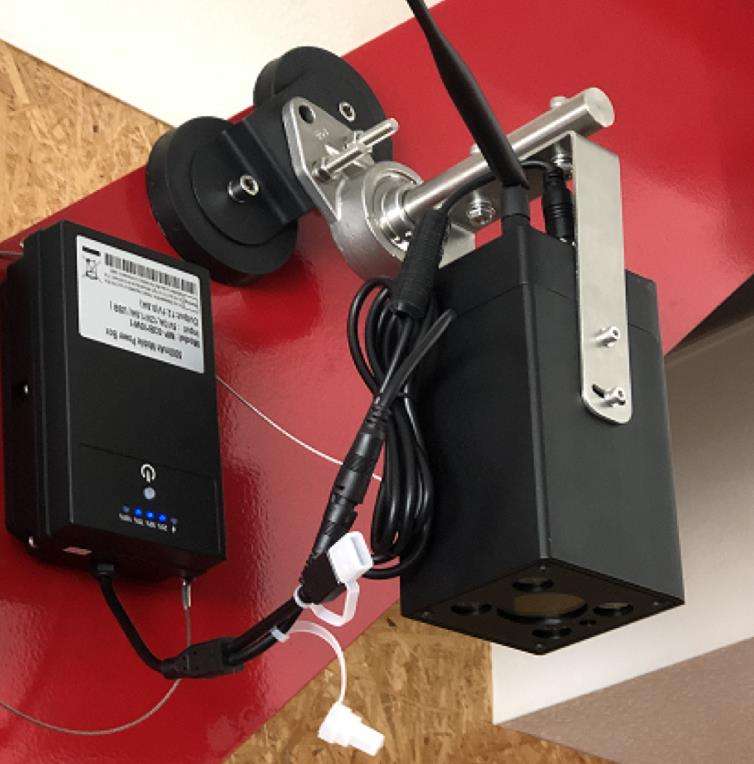
Due to wind and dynamic movement, we recommend customers evaluate whether the camera itself requires additional mechanical support.
A common approach is:
- Use screw mounting or a fixed bracket for the camera
- Use magnetic mounting or a quick-release bracket for the battery pack
This provides both safety and convenience.
How to Protect Battery Performance Offshore?
The battery is one of the most important parts of a wireless camera system.
Before selecting a solution, buyers should consider:
Operating time
How many hours does the camera need to work every day?
Charging frequency
How often can operators access the battery?
Environmental exposure
Will the battery directly face rain, salt spray, or seawater?
A good design should include protective housing and proper sealing.
Regular inspection is also recommended, especially for charging connectors and sealing areas.
Experience From Vehicle Camera Applications
Many buyers associate vehicle cameras only with trucks or machinery.
However, the engineering requirements are very similar to other harsh outdoor applications.
Vehicle cameras need to survive:
- Heavy vibration
- Dust and mud
- Rain
- Temperature changes
- Long working hours
This experience is valuable when designing industrial wireless camera systems.
At KYSAIL, we focus on practical camera solutions for commercial vehicles, machinery, and special applications where reliability matters.
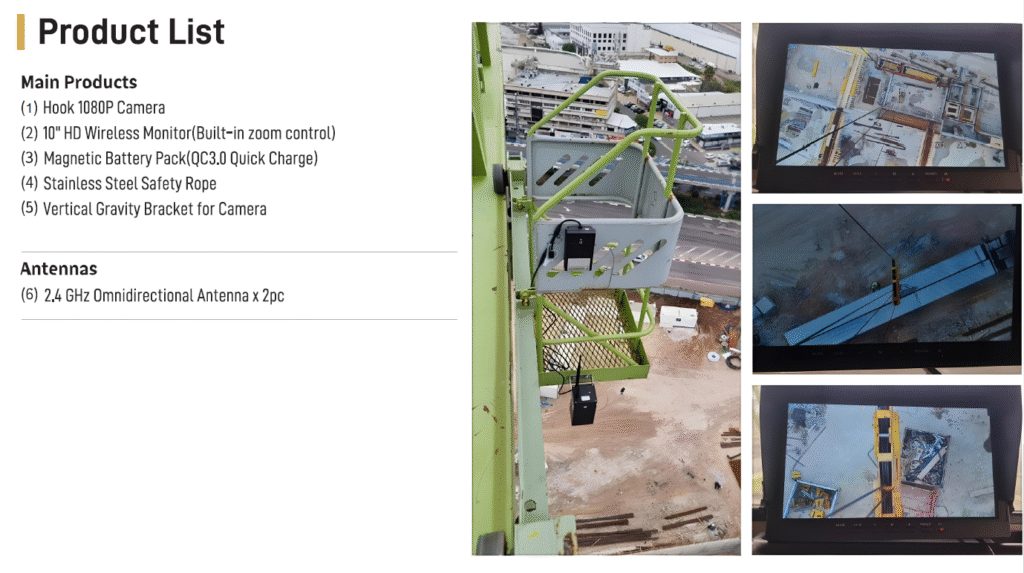
Before Ordering a Wireless Crane Camera, Ask These Questions
Before purchasing, consider:
- What is the installation environment?
- Is the camera permanently installed or frequently moved?
- How many working hours are required per day?
- How will the battery be charged?
- What protection is needed against moisture and corrosion?
The right wireless camera solution should match the real working environment.
For offshore cranes and other demanding applications, correct installation design is just as important as the camera itself.